
If you're over 40 and feeling less energetic, struggling with weight gain, or noticing a decline in your sex drive, you're not alone. Testosterone levels naturally decline by about 1-2% per year after age 30, and by the time you reach 40, the effects can become increasingly noticeable.
The good news? You don't have to accept declining testosterone as an inevitable part of aging. Through strategic lifestyle changes, targeted nutrition, and evidence-based supplementation, many men successfully optimize their testosterone levels naturally.
In this comprehensive guide, we'll explore seven proven methods to increase testosterone naturally, backed by scientific research and real-world results.
Understanding Testosterone Decline After 40
Before diving into solutions, it's important to understand what's happening in your body. Testosterone is your primary male sex hormone, responsible for:
- Muscle mass and strength
- Bone density
- Fat distribution
- Red blood cell production
- Sex drive and erectile function
- Mood and mental clarity
- Energy levels and vitality
When testosterone levels drop, you may experience fatigue, increased body fat (especially around the midsection), decreased muscle mass, reduced libido, brain fog, and mood changes. These symptoms can significantly impact your quality of life, relationships, and overall confidence.
The medical term for age-related testosterone decline is "andropause" or "late-onset hypogonadism." While not as dramatic as female menopause, the gradual decline can still profoundly affect your well-being.
Ready to optimize your testosterone naturally?
Discover Our Science-Backed SolutionMethod 1: Optimize Your Diet for Testosterone Production
Your diet plays a crucial role in hormone production. Testosterone is synthesized from cholesterol, and your body needs specific nutrients to produce it efficiently.
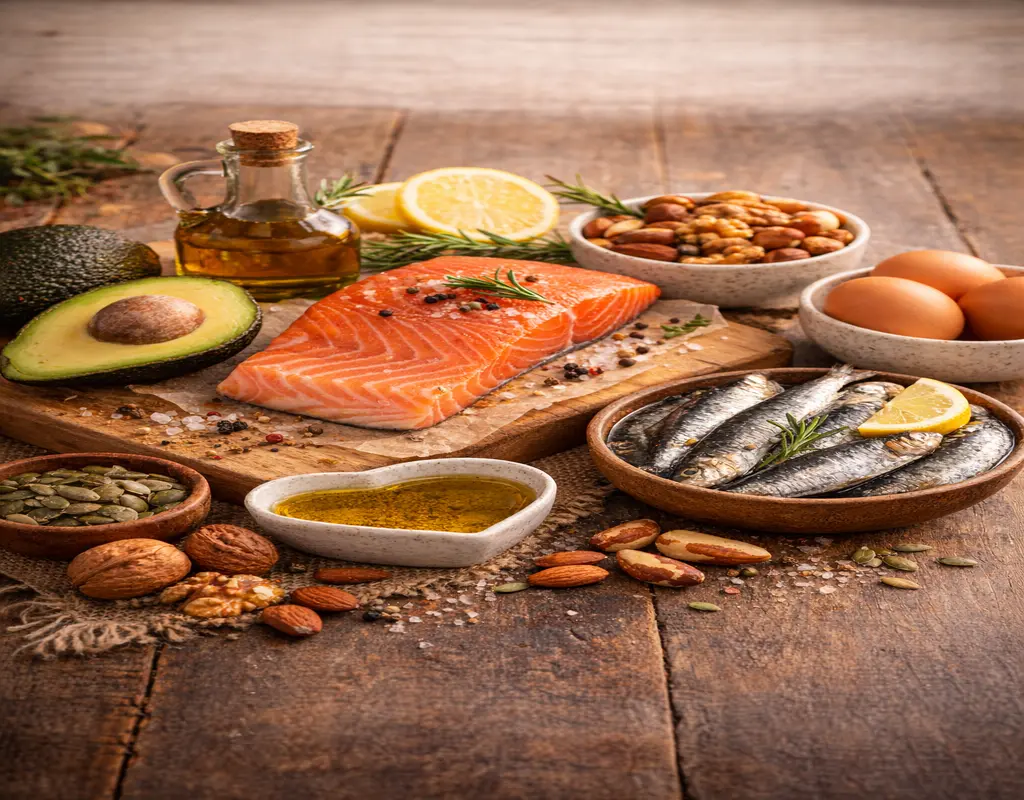
Essential Nutrients for Testosterone:
Healthy Fats: Contrary to outdated dietary advice, healthy fats are essential for testosterone production. Studies show that men who consume adequate healthy fats have significantly higher testosterone levels. Focus on:
- Extra virgin olive oil
- Avocados
- Nuts (especially Brazil nuts, almonds, walnuts)
- Fatty fish (salmon, mackerel, sardines)
- Grass-fed butter and eggs
Zinc: This mineral is critical for testosterone production. Zinc deficiency is strongly associated with low testosterone. Excellent sources include oysters, red meat, poultry, beans, and pumpkin seeds.
Vitamin D: Often called the "sunshine vitamin," vitamin D acts more like a hormone in your body. Research shows men with sufficient vitamin D levels have significantly higher testosterone than those who are deficient. Get it from sunlight exposure, fatty fish, egg yolks, and fortified foods.
Magnesium: This mineral helps increase free testosterone levels in your blood. Good sources include dark leafy greens, nuts, seeds, whole grains, and dark chocolate.
Foods to Avoid: Excessive alcohol, processed foods, soy products (in large quantities), and high-sugar diets can negatively impact testosterone production.
Method 2: Strength Training and High-Intensity Exercise
Exercise is one of the most effective ways to naturally boost testosterone, but not all exercise is created equal for this purpose.
Resistance Training: Lifting weights is perhaps the single most effective exercise for increasing testosterone. Focus on compound movements that engage multiple muscle groups:
- Squats
- Deadlifts
- Bench press
- Overhead press
- Pull-ups and rows
Aim for 3-4 strength training sessions per week, focusing on heavier weights with lower repetitions (6-10 reps) to maximize testosterone response.
High-Intensity Interval Training (HIIT): Short bursts of intense exercise followed by rest periods have been shown to boost testosterone levels. This could include sprints, cycling intervals, or circuit training.
Important Note: While exercise boosts testosterone, overtraining can have the opposite effect. Excessive endurance exercise without adequate recovery can actually lower testosterone. Balance is key.

Method 3: Prioritize Quality Sleep
Sleep is when your body produces the majority of its testosterone. Studies show that men who sleep only 5 hours per night have 10-15% lower testosterone levels than those who get adequate sleep.
Most testosterone production occurs during REM sleep, and chronic sleep deprivation can significantly impair this process. Aim for 7-9 hours of quality sleep per night.
Tips for Better Sleep:
- Maintain a consistent sleep schedule, even on weekends
- Create a dark, cool sleeping environment (60-67°F is ideal)
- Avoid screens for at least one hour before bed
- Limit caffeine after 2 PM
- Consider magnesium supplementation to improve sleep quality
- Address sleep apnea if present (it significantly lowers testosterone)
Method 4: Manage Stress and Cortisol Levels
Chronic stress is one of testosterone's worst enemies. When you're stressed, your body produces cortisol, a hormone that directly inhibits testosterone production. The relationship is inverse: when cortisol goes up, testosterone goes down.
Modern life creates constant low-level stress that keeps cortisol elevated throughout the day, which can significantly suppress testosterone over time.
Stress Management Strategies:
- Practice mindfulness meditation or deep breathing exercises
- Spend time in nature regularly
- Maintain strong social connections
- Set boundaries between work and personal time
- Engage in hobbies you enjoy
- Consider adaptogenic herbs like ashwagandha, which research shows can lower cortisol and increase testosterone
Method 5: Maintain a Healthy Weight
There's a strong bidirectional relationship between testosterone and body fat. Low testosterone can lead to increased body fat, and excessive body fat can lower testosterone levels.
Fat tissue contains an enzyme called aromatase that converts testosterone into estrogen. The more body fat you have, particularly around your midsection, the more testosterone gets converted to estrogen, creating a vicious cycle.
Studies show that losing even 5-10% of body weight can significantly increase testosterone levels in overweight men. Focus on sustainable weight loss through the dietary and exercise strategies mentioned above.
Target: Aim for a body fat percentage below 20% (ideally 12-18% for optimal testosterone levels).
Method 6: Limit Alcohol and Avoid Endocrine Disruptors
Certain substances in our environment can significantly impact testosterone production.
Alcohol: While moderate alcohol consumption may not be problematic, heavy drinking directly suppresses testosterone production and increases estrogen. If you drink, limit yourself to 1-2 drinks occasionally rather than daily consumption.
Endocrine Disruptors: These chemicals mimic or interfere with your body's hormones. Common sources include:
- BPA in plastic containers and canned foods
- Phthalates in fragrances and personal care products
- Pesticides in non-organic produce
- Parabens in cosmetics and toiletries
Minimize exposure by using glass or stainless steel containers, choosing organic produce when possible, and selecting natural personal care products.
Method 7: Harness the Power of Clinically-Proven Botanical Extracts
While the lifestyle strategies above form the foundation, certain botanical extracts have been used for centuries in traditional medicine and are now backed by modern clinical research for their testosterone-supporting properties.
Here are the five most powerful natural ingredients with the strongest scientific evidence for supporting healthy testosterone levels in men over 40:
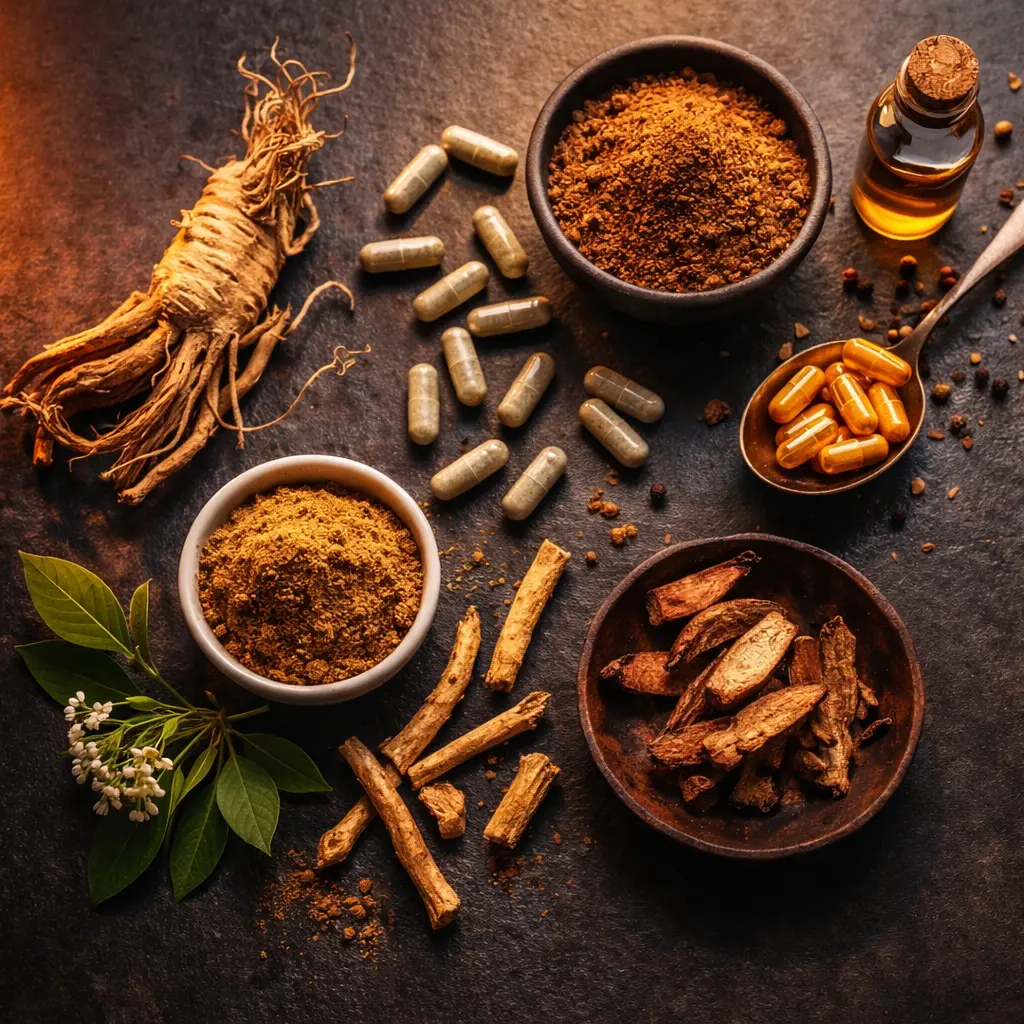
1. Tongkat Ali (Eurycoma Longifolia) - Testosterone Amplification
Often called "Malaysian Ginseng," Tongkat Ali is one of the most researched and effective testosterone-boosting herbs available. This Southeast Asian root has been used for centuries to enhance male vitality and sexual health.
What the Science Shows:
Clinical studies demonstrate that Tongkat Ali can increase testosterone levels by up to 37% in men with low testosterone. A landmark 2012 study published in the Journal of the International Society of Sports Nutrition found that men taking Tongkat Ali experienced significant increases in both total and free testosterone levels after just one month.
How It Works: Tongkat Ali works by stimulating the release of luteinizing hormone (LH), which signals your testes to produce more testosterone. It also helps reduce sex hormone-binding globulin (SHBG), which means more of your testosterone remains "free" and biologically active.
Additional Benefits:
- Reduces cortisol levels (stress hormone that suppresses testosterone)
- Improves sperm quality and male fertility
- Enhances muscle strength and athletic performance
- Supports healthy libido and sexual function
Optimal Dosage: Clinical studies typically use 200-400mg of standardized Tongkat Ali extract daily.
2. Horny Goat Weed (Epimedium) - Natural PDE5 Support for Blood Flow
Despite its provocative name, Horny Goat Weed is a serious botanical with genuine scientific backing. Used in Traditional Chinese Medicine for over 2,000 years, this herb is particularly effective for men experiencing age-related declines in sexual function.
The Active Compound: Icariin, the primary bioactive compound in Horny Goat Weed, functions as a natural PDE5 inhibitor—similar to how prescription medications work, but through a gentler, natural mechanism.
How It Supports Testosterone and Male Health:
Research shows that icariin helps increase nitric oxide production, which improves blood flow throughout the body—including to areas critical for male sexual function. Better blood flow means better nutrient delivery to tissues and more efficient removal of metabolic waste.
Additionally, studies suggest Horny Goat Weed may help protect testosterone-producing Leydig cells from oxidative stress, potentially supporting healthier baseline testosterone production as you age.
Key Benefits:
- Supports healthy erectile function naturally
- Improves blood circulation and cardiovascular health
- May help maintain bone density
- Supports energy and stamina
Clinical Dosage: Standardized extracts typically provide 10-20% icariin content, with effective doses ranging from 500-1000mg daily.
3. Stinging Nettle Root - Hydraulic Flow Repair and Free Testosterone Support
While stinging nettle may seem like a garden nuisance, its root extract is a powerhouse for male hormonal health. What makes nettle particularly valuable is its unique mechanism of increasing "free" testosterone—the form your body can actually use.
The Free Testosterone Problem:
As men age, more testosterone becomes bound to sex hormone-binding globulin (SHBG), rendering it inactive. You might have decent total testosterone levels, but if most of it is bound, you won't experience the benefits. Nettle root helps solve this problem.
How Stinging Nettle Works:
Nettle root contains compounds called lignans that bind to SHBG, preventing it from binding to your testosterone. This increases the amount of free, active testosterone circulating in your blood without actually increasing total production—think of it as "unlocking" testosterone you already have.
Additionally, nettle root supports healthy prostate function and urinary flow—critical considerations for men over 40. The compound beta-sitosterol in nettle has been shown to improve urinary symptoms associated with benign prostatic hyperplasia (BPH).
Benefits Include:
- Increases bioavailable "free" testosterone
- Supports healthy prostate size and function
- Improves urinary flow and reduces nighttime bathroom trips
- Provides anti-inflammatory benefits
Research-Backed Dose: Clinical studies use 120-240mg of standardized nettle root extract daily.
4. Saw Palmetto - Circulation Optimizer and Prostate Protector
Saw palmetto is one of the most extensively studied botanicals for men's health, with over 30 clinical trials examining its effects. While primarily known for prostate support, its benefits extend to hormonal balance and overall male vitality.
The DHT Connection:
As men age, the enzyme 5-alpha-reductase increasingly converts testosterone into dihydrotestosterone (DHT). While some DHT is necessary, excessive conversion can lead to prostate enlargement and hair loss, while simultaneously reducing your available testosterone.
Saw palmetto helps inhibit excessive 5-alpha-reductase activity, helping maintain healthier testosterone-to-DHT ratios. This means more testosterone remains available for muscle building, energy production, and libido rather than being converted to DHT.
Circulation and Vascular Health:
Research also suggests saw palmetto supports healthy blood flow and circulation—critical for sexual function, exercise performance, and overall cardiovascular health. Improved circulation ensures better oxygen and nutrient delivery throughout your body.
Primary Benefits:
- Supports healthy prostate size and function
- Helps optimize testosterone-to-DHT conversion
- Improves urinary flow and bladder emptying
- Supports healthy inflammatory response
- May help preserve hair thickness
Clinical Dosage: Studies typically use 160-320mg of standardized saw palmetto extract (containing 85-95% fatty acids and sterols) daily.
5. Wild Yam Extract - Pathway Activation and Hormonal Balance
Wild yam (Dioscorea villosa) has been used in traditional medicine for centuries, and modern research is uncovering why it's so effective for hormonal health in both men and women.
The DHEA Precursor:
Wild yam contains diosgenin, a compound that serves as a precursor to dehydroepiandrosterone (DHEA)—often called the "master hormone." DHEA is a crucial building block your body uses to produce testosterone, estrogen, and other vital hormones.
As you age, DHEA production declines significantly. By age 40, you're producing about half the DHEA you did in your twenties. By age 70, production drops to just 20% of youthful levels. Supporting healthy DHEA levels can help maintain more youthful hormone production.
How It Supports Testosterone Production:
Wild yam helps activate the pathway your body uses to synthesize testosterone from cholesterol. Think of it as providing the raw materials and activating the factory where hormones are made. This doesn't force your body to overproduce hormones unnaturally—it simply supports your body's normal production processes.
Beyond Testosterone:
Wild yam also provides anti-inflammatory benefits and supports healthy cortisol metabolism. Since chronic inflammation and elevated cortisol both suppress testosterone production, addressing these factors creates a more favorable hormonal environment.
Key Benefits:
- Supports natural DHEA and hormone production pathways
- Provides anti-inflammatory and antioxidant effects
- Helps balance cortisol and stress hormones
- Supports overall endocrine system function
- May improve insulin sensitivity and metabolic health
Effective Dosage: Studies use 100-200mg of standardized wild yam extract (containing 10-20% diosgenin) daily.
The Synergistic Effect: Why Combination Formulas Work Best
While each of these botanicals is powerful individually, they work even better together. This is called synergy—where the combined effect exceeds the sum of individual parts.
For example:
- Tongkat Ali increases testosterone production
- Stinging Nettle increases free testosterone availability
- Wild Yam supports the hormonal production pathway
- Saw Palmetto optimizes testosterone-to-DHT conversion
- Horny Goat Weed improves blood flow for better nutrient delivery
Together, they address testosterone support from multiple angles simultaneously—production, availability, conversion, and utilization—for comprehensive results you simply can't achieve with a single ingredient.
Get All 5 Ingredients in One Comprehensive Formula
Why buy five separate supplements when you can get all these clinically-studied botanicals in optimal dosages in one formula? Our science-backed solution combines Tongkat Ali, Horny Goat Weed, Stinging Nettle, Saw Palmetto, and Wild Yam—formulated specifically for men over 40.
Discover Our Complete Solution60-day money-back guarantee • Clinically-studied ingredients • No prescriptions required
When to See a Doctor
While natural methods can be highly effective, it's important to know when professional medical intervention might be necessary.
Consider seeing a healthcare provider if:
- Your symptoms are severe and significantly impacting your quality of life
- Natural methods haven't improved your symptoms after 3-6 months
- You have symptoms of very low testosterone (erectile dysfunction, severe fatigue, depression)
- You want to measure your testosterone levels through blood testing
Your doctor can order comprehensive hormone panels to check not just testosterone, but also other hormones that affect your vitality, including thyroid hormones, cortisol, and estrogen.
Creating Your Testosterone Optimization Plan
Now that you understand the seven proven methods to naturally increase testosterone, it's time to create your personalized action plan.
Start with these priorities:
- Week 1-2: Focus on sleep optimization and stress management. These provide the foundation for all other improvements.
- Week 3-4: Implement dietary changes, focusing on adequate healthy fats, protein, and key nutrients.
- Week 5-6: Begin a structured strength training program if you haven't already.
- Week 7-8: If needed, address weight loss and consider adding evidence-based supplements.
Remember, these changes work synergistically. You don't need to be perfect in every area, but improving multiple factors simultaneously will yield the best results.
Most men notice initial improvements in energy and mood within 2-4 weeks, with more significant changes in body composition and libido appearing after 8-12 weeks of consistent effort.
The Bottom Line
Declining testosterone after 40 is common, but it's not inevitable or irreversible. By implementing these seven evidence-based strategies, you can naturally optimize your testosterone levels and reclaim the energy, strength, and vitality of your younger years.
The key is consistency. These aren't quick fixes, but sustainable lifestyle changes that support your body's natural hormone production. Start with one or two methods that resonate most with you, master them, and then gradually incorporate others.
Your body has an incredible capacity to restore hormonal balance when given the right nutrition, movement, recovery, and support. The question isn't whether you can increase your testosterone naturally—it's whether you're ready to commit to the changes that make it possible.
Ready to Take Action?
Discover our comprehensive natural formula designed specifically to support healthy testosterone levels in men over 40.
View Our SolutionMedical Disclaimer: This article is for informational purposes only and is not intended as medical advice. Always consult with a qualified healthcare provider before making changes to your diet, exercise routine, or supplement regimen, especially if you have existing health conditions or take medications.